








Some technologies appear new only because the market has finally caught up with them. Heat pumps are a good example. Several years ago, I came across a particularly impressive piece of engineering history.
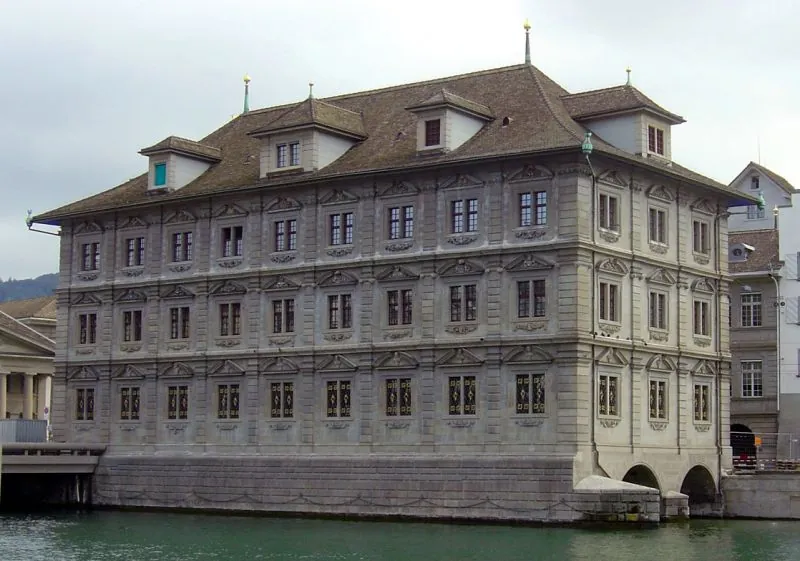
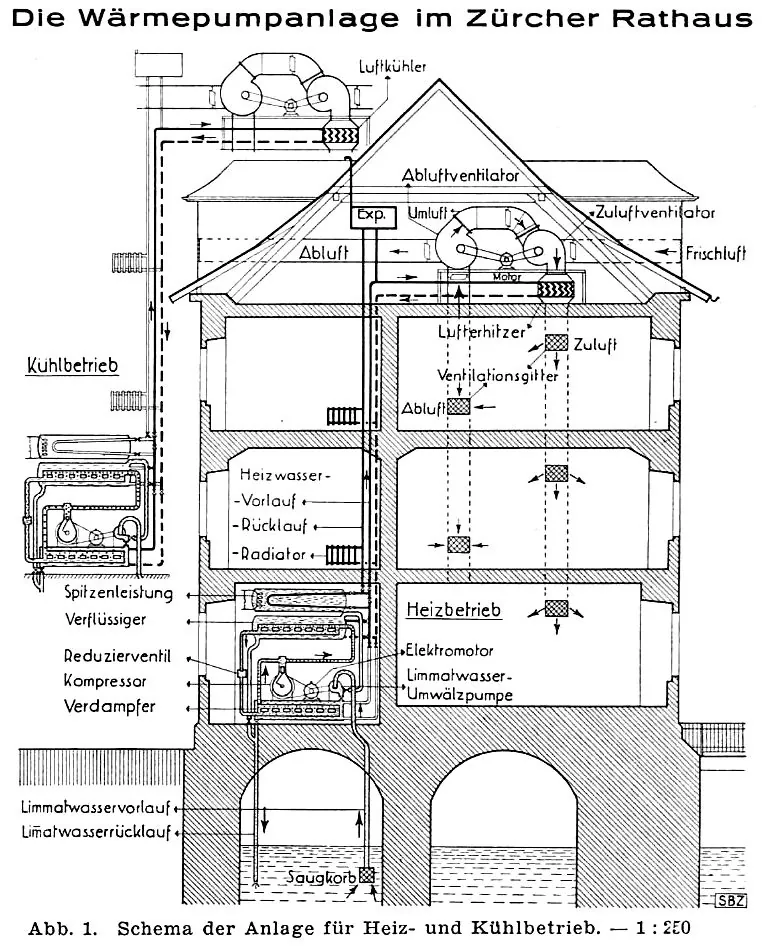
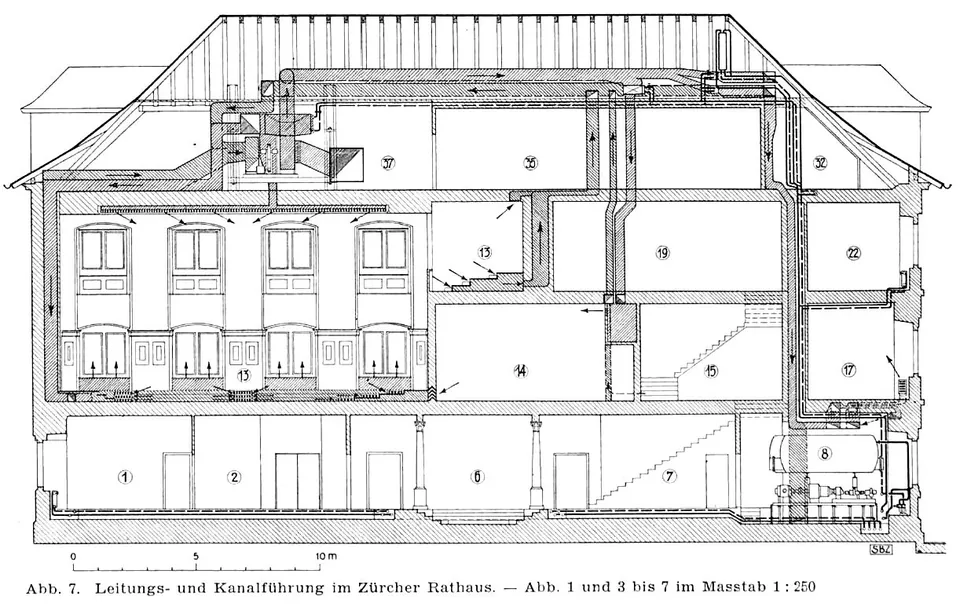
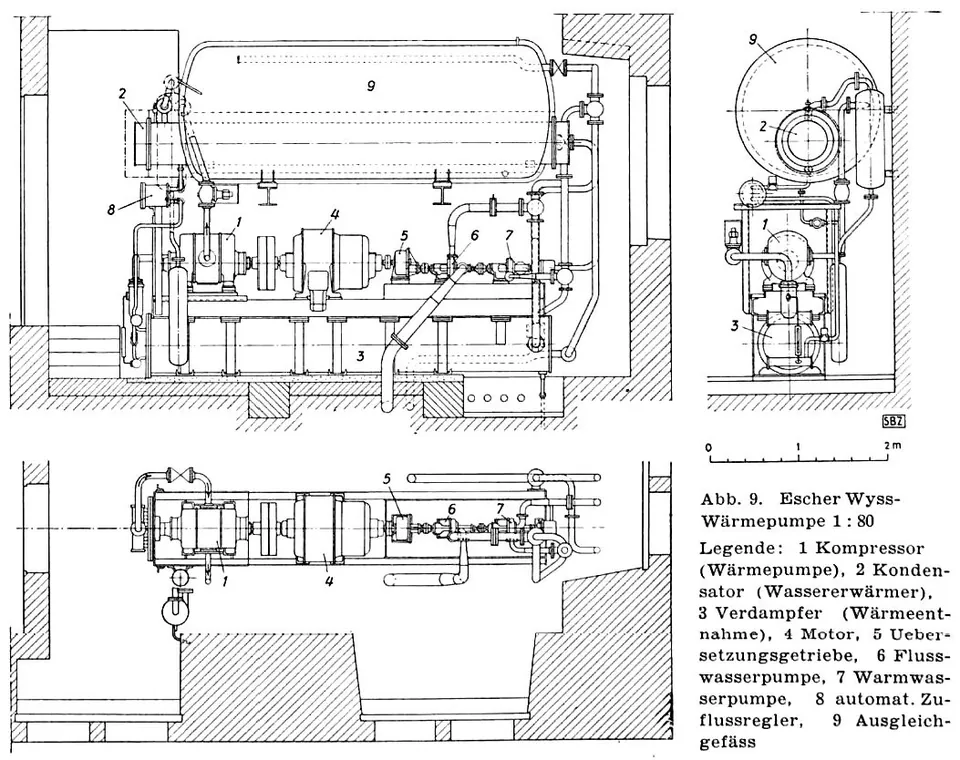
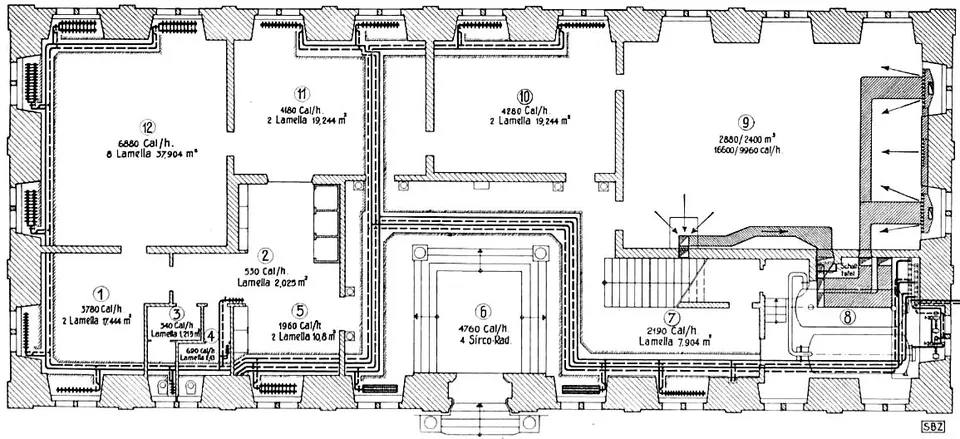
In 1938, a water-to-water heat pump was installed in Zurich Town Hall. It used river water at an average temperature of around 7°C as its heat source and delivered approximately 100 kW of heating capacity with a flow temperature of around 60°C. Remarkably, the system remained in operation until 2012.
When I wrote about it on LinkedIn, I described it as impressive Alpine engineering for its time. What required pioneering engineering in 1938 can today be achieved with compact, highly efficient modern heat-pump technology. The underlying principle, however, has not changed.
A heat pump does not primarily create heat. It moves energy that is already available in the environment — from air, groundwater, rivers, soil, wastewater or industrial processes — to a temperature level at which it can be used for heating, hot water or industrial purposes. That simple principle is becoming increasingly relevant in Central Asia.
A region with a significant heating challenge
Heating is one of the less visible parts of Central Asia's energy transformation. Much of the international discussion focuses understandably on electricity generation, renewable power, grid infrastructure and natural resources. But buildings consume enormous amounts of energy as well. And across large parts of the region, heating infrastructure is still characterised by older boilers, high network losses, inefficient buildings and systems designed during a period when energy efficiency was a much smaller consideration. This is beginning to change.
A particularly interesting signal appeared in Uzbekistan in September 2025.
On 3 September, Uzbekistan's National Energy Efficiency Agency, together with the Ministry of Economy and Finance and ILF Consulting Engineers, organised a specialist seminar in Tashkent on improving the energy efficiency of buildings. More than 150 specialists representing over 50 Uzbek design institutes participated. Among the technologies explicitly discussed were improved building envelopes, solar energy — and heat pumps. Similar training activities continued in Bukhara. This may sound like a relatively small event. In reality, it represents something much larger.
When engineers, design institutes, regulators and public institutions begin discussing a technology systematically, the market is moving from individual demonstration projects toward technical capability building. That is often the stage at which a technology begins to become part of normal infrastructure planning.
From individual systems to energy infrastructure
Heat pumps should also not be understood only as replacements for boilers in individual buildings. Their potential is considerably broader. Modern systems can make use of groundwater, wastewater, industrial excess heat, geothermal energy and other low-temperature heat sources that would otherwise remain unused. Research in Kazakhstan has already examined the application of heat pumps within fifth-generation district heating and cooling systems. A case study for the Northern Industrial Zone of Karaganda combines heat pumps, low-temperature district networks, photovoltaic generation and seasonal thermal storage while also considering the utilisation of waste heat from nearby infrastructure. This changes the perspective. The question is no longer simply: Can a heat pump heat a building in Central Asia? Technically, that question has been answered long ago. The more interesting questions are: Where is the most suitable heat source? Which buildings or industrial processes can use it? What temperatures are required? Can heating and cooling be combined? Can industrial waste heat be recovered instead of discharged? How should the system interact with photovoltaic generation, storage or an existing district-heating network? And finally: Does the complete system make technical and economic sense under local conditions?
Uzbekistan is beginning to create the framework
The institutional environment is moving as well. Uzbekistan introduced a new national energy-efficiency framework during 2025, including the creation of a National Energy Efficiency Agency and mechanisms intended to support energy audits, building renovation and technologies including heat pumps. A large programme now being developed for public buildings identifies heat pumps explicitly as one of the technologies that can replace inefficient fossil-fuel heating systems alongside insulation, modern HVAC and renewable generation. This is particularly relevant because schools, hospitals and other public buildings represent a large and often ageing building stock. It also suggests that the market opportunity will not consist only of selling individual heat pumps. There will be demand for: engineering, system design, hydraulic integration, energy-source assessment, building renovation, controls, installation, commissioning, service and financing. In other words, an ecosystem rather than a product.
The European connection
Europe has spent decades developing heat-pump technology for increasingly demanding applications. High-efficiency systems today operate with air, ground, water and industrial heat sources and can serve everything from residential buildings to commercial properties and large heating networks. But exporting European equipment alone does not automatically create a functioning heat-pump market. Local climatic conditions matter. Electricity prices matter. Existing heating-system temperatures matter. Building quality matters. Service capability matters. And the economics of replacing cheap natural gas or coal can differ significantly from those in Western Europe. That means technologies must be selected and engineered around the market, rather than the market being expected to adapt to the technology.
Where this connects with AETEK
For AETEK, heat pumps represent a good example of the type of industrial and infrastructure development we increasingly see in Central Asia. The technology itself already exists. European engineering expertise exists. The regional demand is emerging. What is often still missing is the structured connection between these elements. That connection can include identifying suitable projects, understanding the local technical requirement, finding the appropriate European technology or engineering partner, establishing access to decision-makers and accompanying the project beyond the initial introduction. This is where AETEK's role becomes relevant. Not as a heat-pump manufacturer. And not simply as an equipment trader. But as a business-development and technology bridge between European industrial capabilities and Central Asian demand.
The heat pump installed in Zurich in 1938 demonstrates how old the underlying engineering principle actually is. What is changing today is the environment around it. Energy efficiency, decarbonisation, industrial waste-heat recovery and the modernisation of heating infrastructure are gradually moving higher on Central Asia's agenda. And sometimes the technologies required for the next stage of development are not technologies that still need to be invented.
They simply need to be brought to the right market, applied to the right problem and integrated into the right system. That is where engineering becomes business development — and where proven European technology can become part of Central Asia's next generation of energy infrastructure.